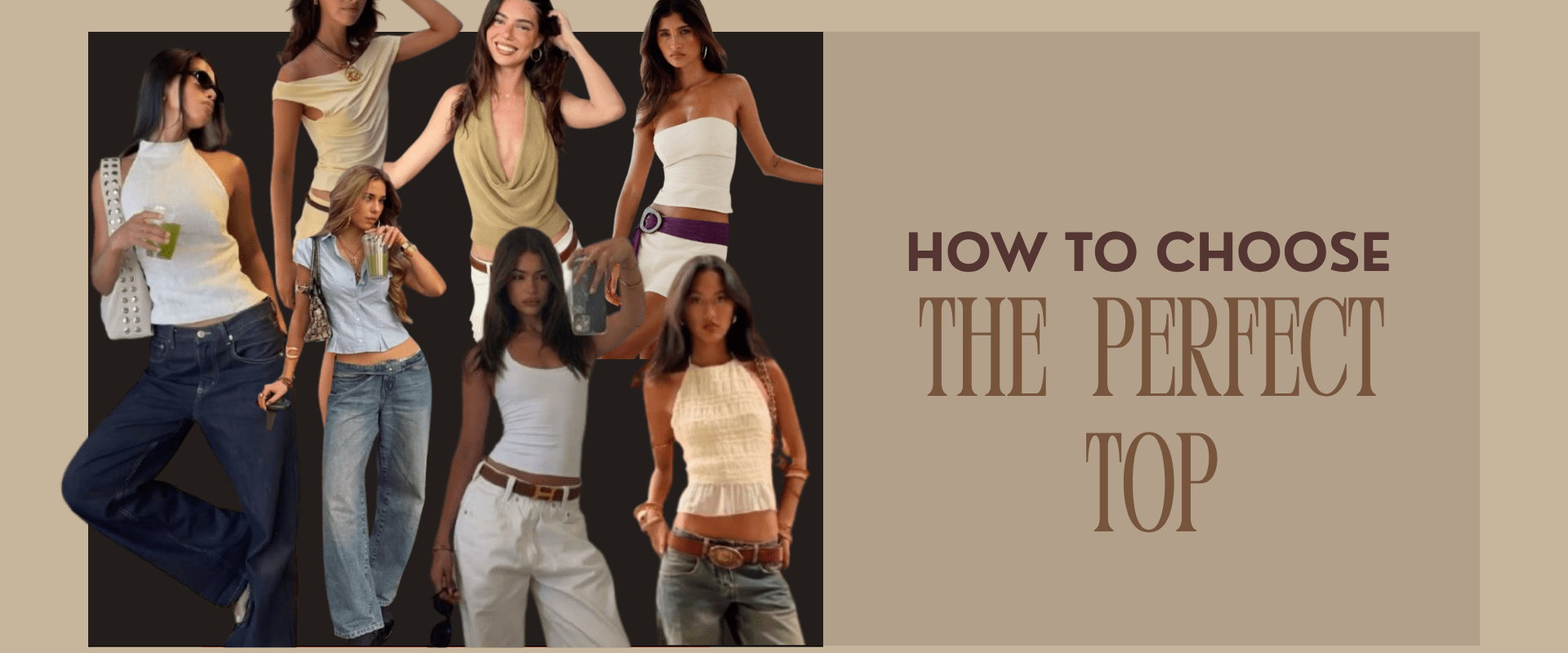

We live surrounded by options. New trends every week, “must-haves” that last one season, and closets full of clothes… yet we reach a point where we’re buying without a clear intention. Sometimes we shop just for the feeling of having something new, and other times we try to shop consciously but don’t really know where to begin.
That’s why this year we’re doing the 12 months, 12 pieces challenge.
One intentional purchase per month, chosen with complete awareness, thinking about who we are today, how we live, and what we truly need. By doing this, we move away from impulsive shopping and begin building a capsule wardrobe made of key pieces we’ll reach for a long time.
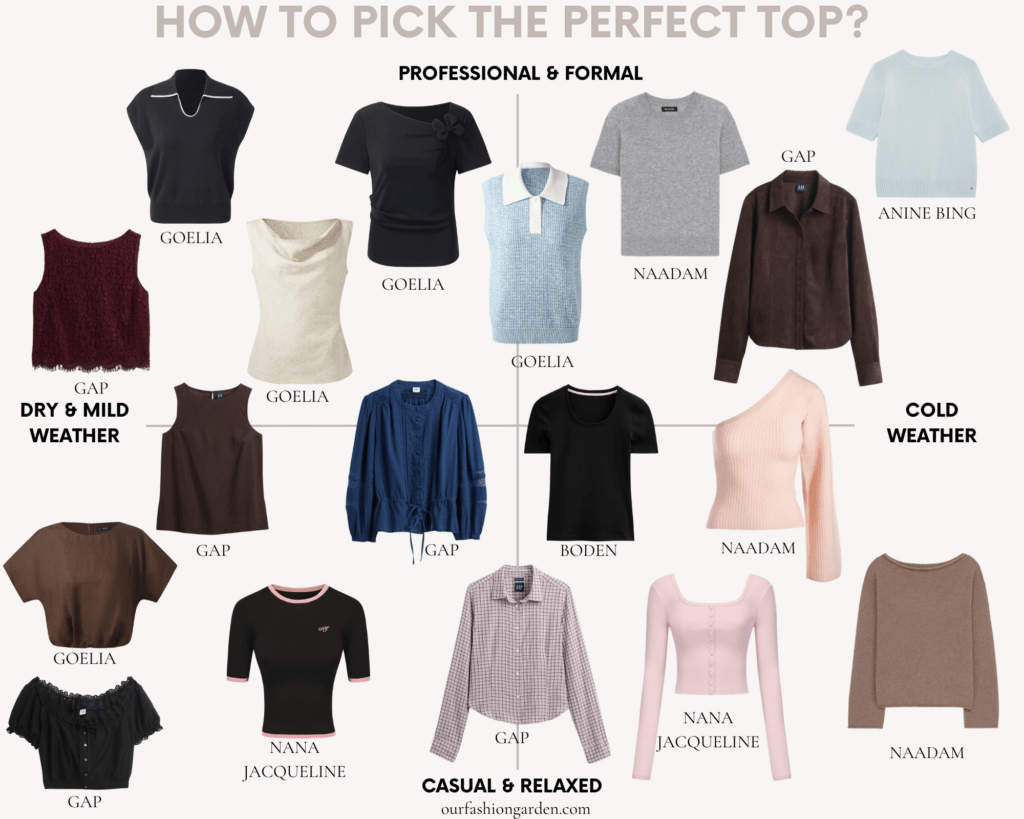
And this month in particular, we’re focusing on that piece that’s central to many of our outfits, the garment closest to our face, and that plays a key role in expressing our style through our clothing: ”THE TOP”. The right top can make your face stand out, even if the rest of the outfit is very simple. A good choice will also make you feel comfortable and will save you on those days when you don’t know what to wear.
However, we know it’s not always easy to choose because it’s the garment with the most variations in colors and materials, and there are so many options that it’s hard to find the right one. Because we’ve all experienced this feeling of “not knowing what to wear” or “not feeling comfortable,” we want to share our best tips to avoid these discomforts, move away from trend-driven shopping, and focus on what’s truly important: choices based on your real life, your routine, your body, your style, and your essence.
In this guide, we’ll walk you through the process step by step so you can make an informed and conscious decision.
By the end, you’ll know exactly which tops to look for, which ones align with your lifestyle, body, and essence; and, just as importantly, which tops to avoid, no matter how beautiful they may be.
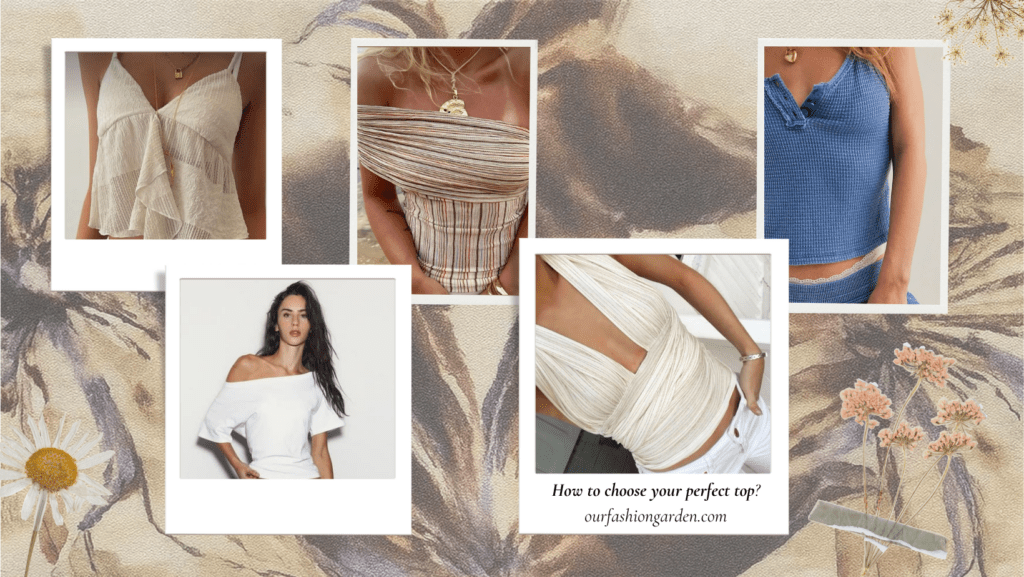
Tops for the real life
Before choosing a style, there are certain details that are important to consider. Just like boots, a cardigan, or pants, your top should be chosen based on your routine, your daily life, and, of course, there are also tops we wear for occasions outside of our daily routine, such as meetings, special parties, etc. For these events, it’s also important to consider your comfort above all else, and what better way to achieve that than by making a good choice of materials! So first, it all depends on the season and the climate you’ll be in to choose the perfect top.
Warm Weather
It’s important to stay comfortable and cool during the heat waves of these seasons, so you should know how to identify the fibers and fabrics that will provide breathability and comfort.
Avoid materials like polyester and nylon, as they do not allow for proper perspiration.
Cotton (the classic and reliable option)
This material is known for its softness, breathability, and ability to absorb moisture, keeping you dry and comfortable in warm weather.
- Breathable and lightweight
- Wicking wicks away moisture and allows skin to breathe
- Easy to wash and maintain
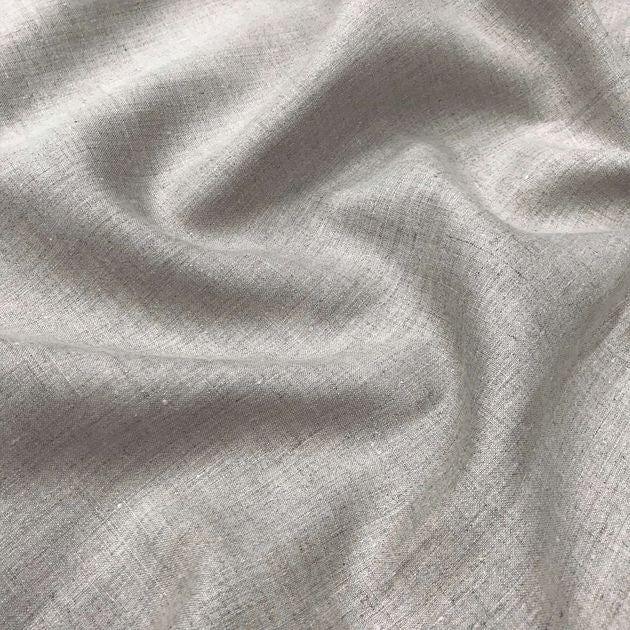
Linen
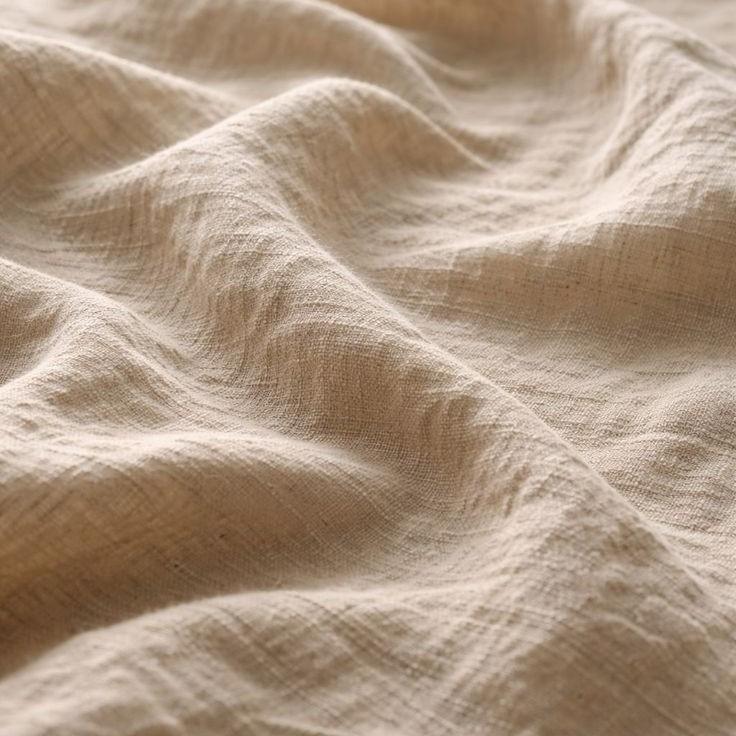
Its light and airy texture allows for optimal air circulation, helping to keep the body cool.
- Extremely cool and comfortable
- Naturally antibacterial
- It’s the most breathable fabric in existence. It can absorb up to 20% of its weight in moisture before feeling damp.
- If you don’t like the “crumpled” look, look for Linen-Silk or Linen-Cotton blends, they wrinkle less but keep the cooling properties.
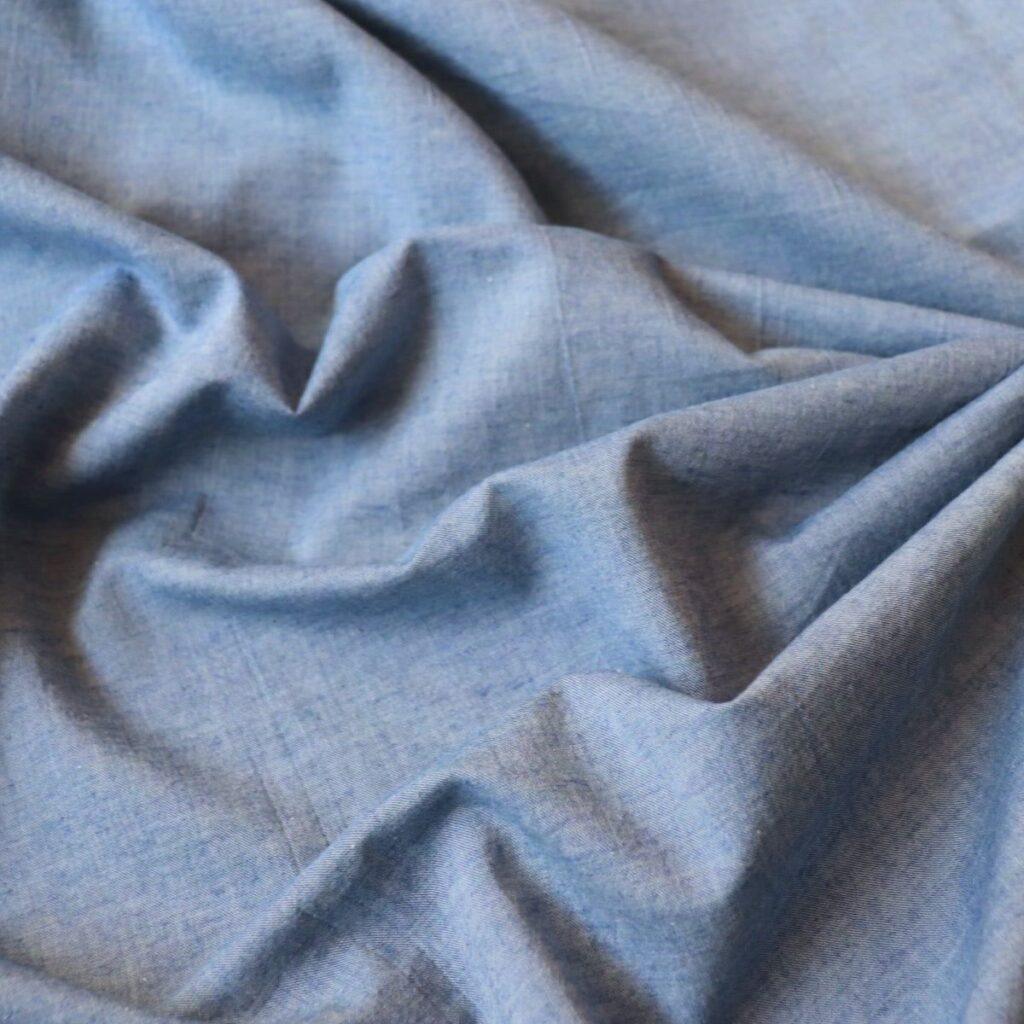
Chambray
Chambray is similar to denim but much lighter, making it a perfect choice for summer. Its soft texture and moisture-wicking properties make it ideal for casual wear.
- Lightweight and breathable
- Soft and comfortable
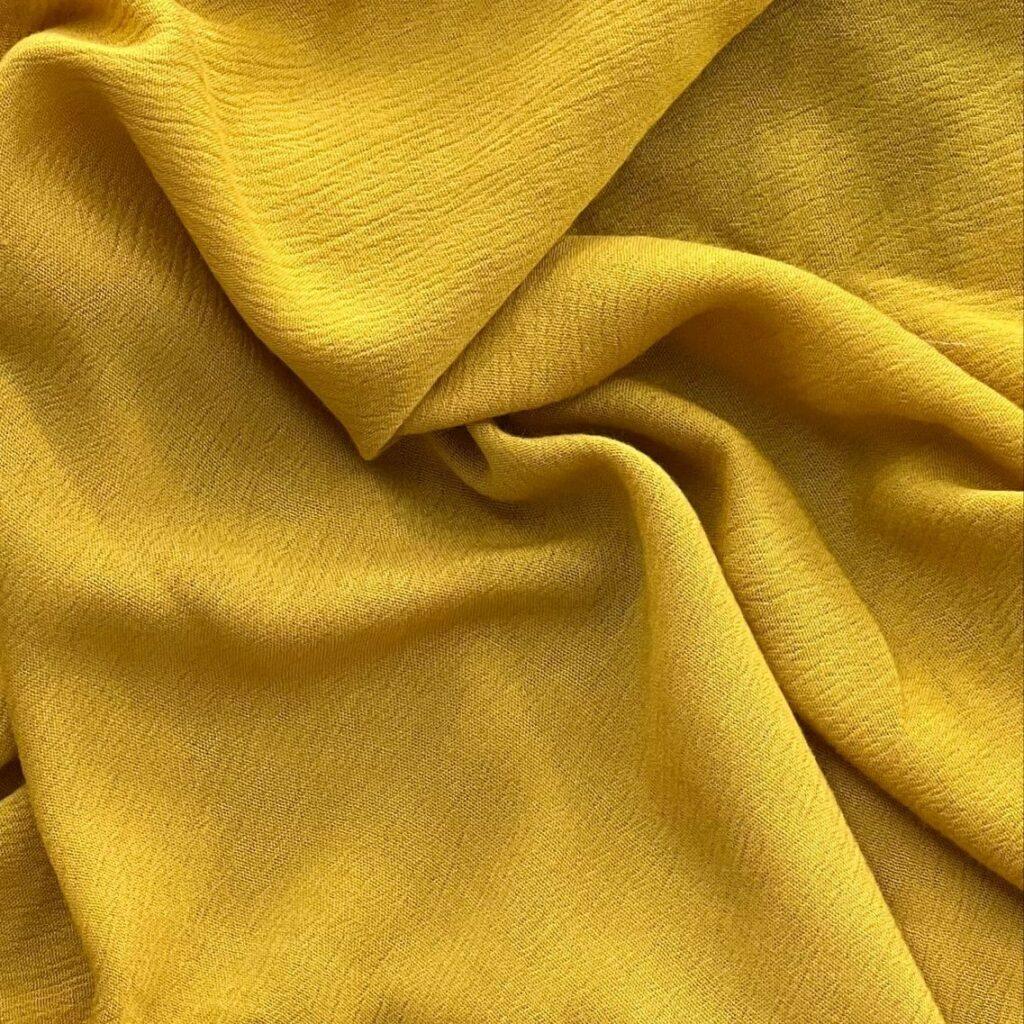
Rayon
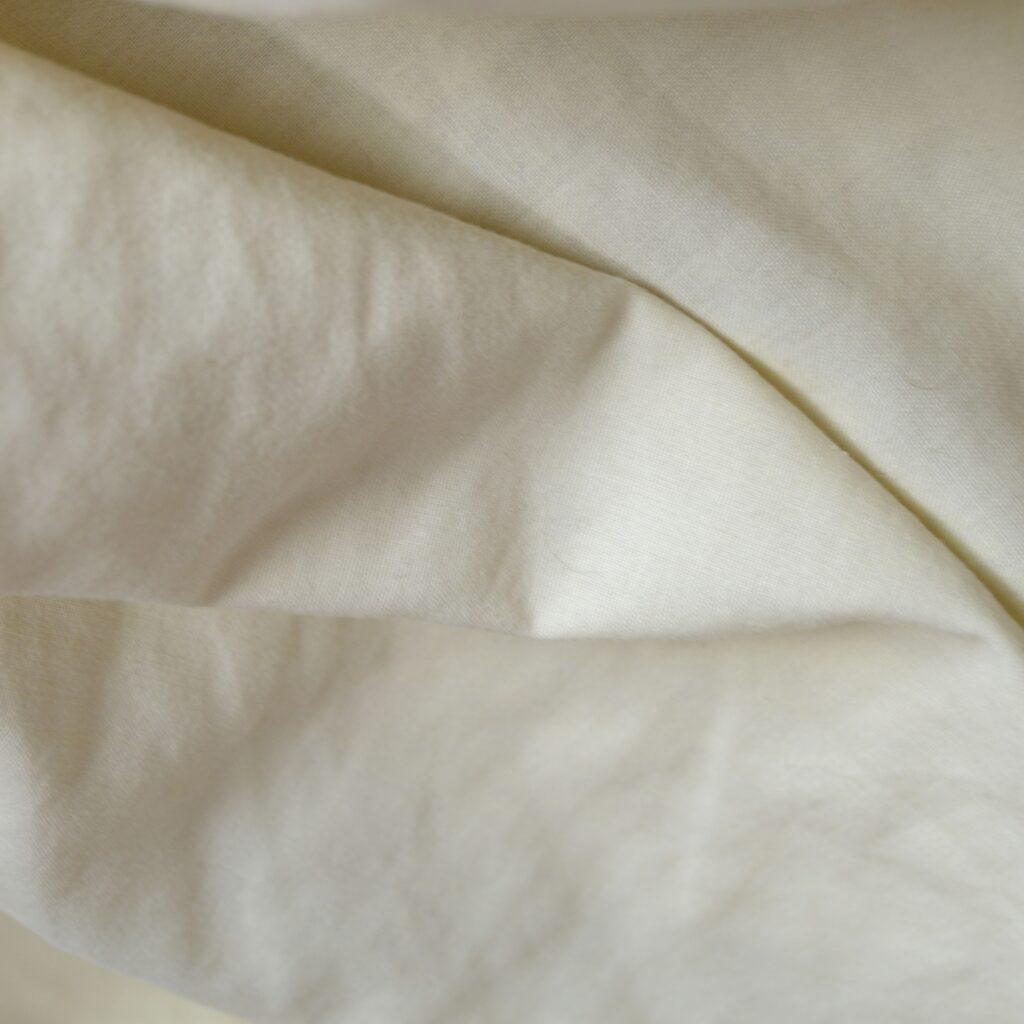
Rayon is a synthetic fiber that mimics the texture and comfort of cotton and silk. It is lightweight and breathable, making it perfect for warm climates. It also dyes easily, offering a wide range of vibrant colors.
- Soft and comfortable
- Breathable and cool
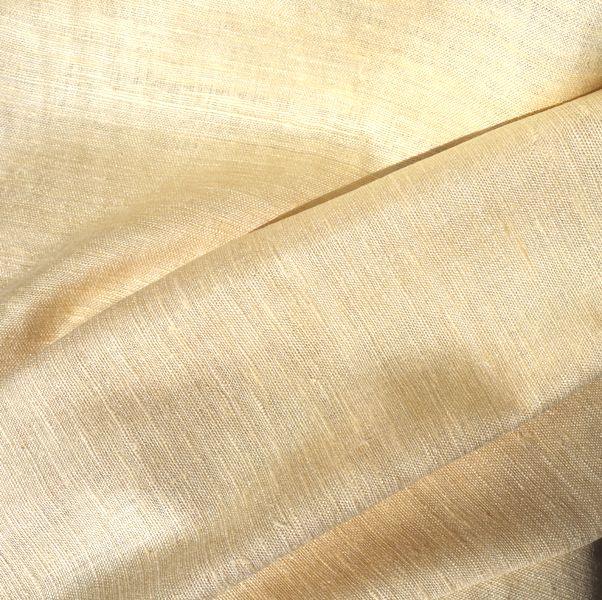
Silk
Silk is an excellent choice for summer because of its ability to keep you cool. It’s known for its elegance and softness, making it perfect for special occasions. Silk also has a lightweight texture that allows air to circulate, keeping you comfortable even on the hottest days.
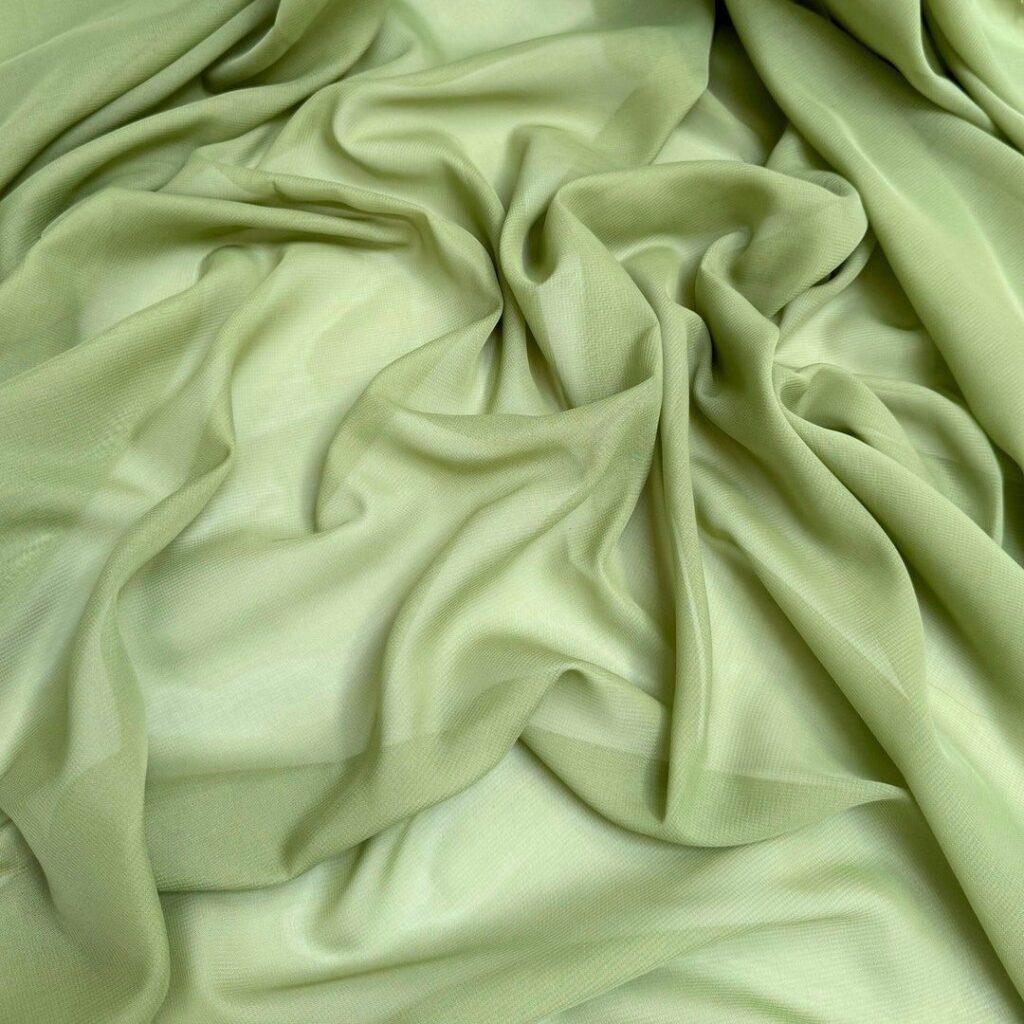
Chiffon
Chiffon is another ideal fabric for summer. It’s extremely lightweight and has a flowy appearance that adds a touch of romance to any outfit. Chiffon is perfect for dresses and blouses, as it allows for great freedom of movement and is very comfortable to wear.
Specially recommended if you have a Yin essence*
Hot & Arid Weather
Hemp:
Incredibly durable and naturally UV-resistant. It softens with every wash and feels much cooler than a standard heavy cotton.
- Stronger and more durable than cotton, hemp holds its shape well and lasts for years, often lasting 20 to 30 years with proper care.
- The porous, hollow structure of the fiber allows for high air circulation and moisture absorption, making it excellent at pulling sweat away from the body.
- Thermo-regulating.
- Anti-microbial and Hypoallergenic.
- Hemp cultivation is environmentally friendly, requiring little to no pesticides or fertilizers and using less water than cotton.
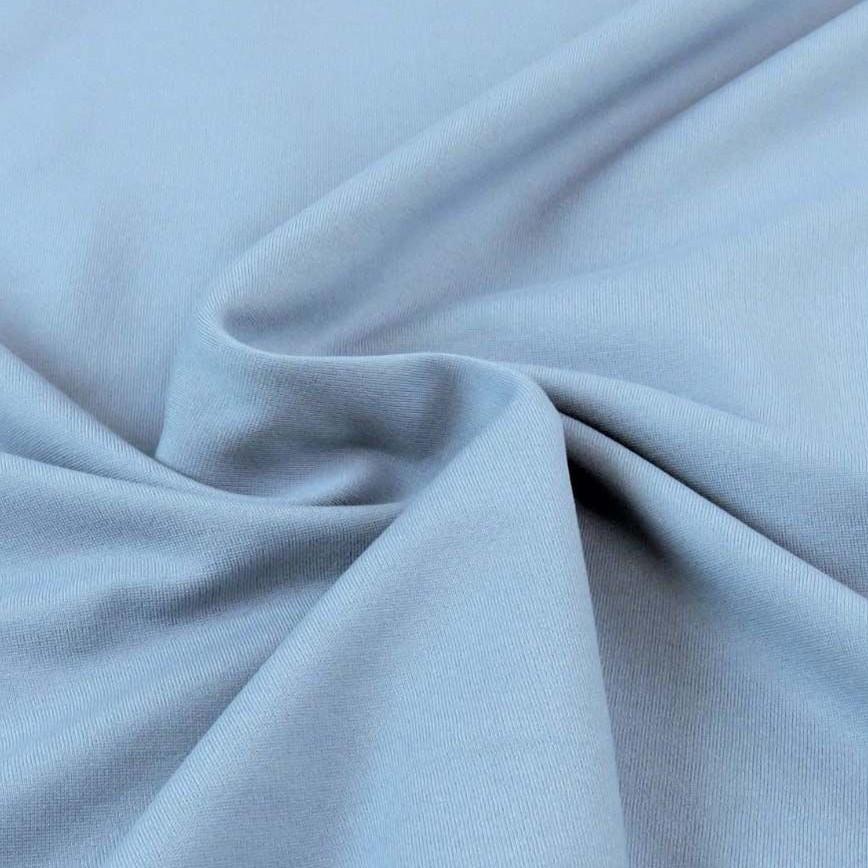
Tencel™ (Lyocell):
A high-tech botanical fiber. It is smoother than silk and cooler than linen. It’s perfect if you want a polished look in the heat without the sweat marks.
- It absorbs moisture better than cotton, aiding the body’s natural thermal regulation.
- Tencel is known as one of the strongest cellulose fibers, maintaining its structure even when wet.
- Produced from wood pulp (often eucalyptus) in a closed-loop system that recovers 99% of solvent waste.
- Tencel wrinkles significantly less than cotton, requiring less ironing.
- It can be machine-washed on a gentle cycle, though air drying is recommended to maintain quality.
Transitional Weather
When the morning is cold but the afternoon is warm, you need thermoregulation.
Lightweight Bamboo:
Highly absorbent and incredibly soft. It’s perfect for base layers or long-sleeve tops during seasonal shifts.
- High Breathability & Moisture-Wicking.
- Acts as a thermo-regulating material, providing warmth in winter and coolness in summer.
- Contains a natural bio-agent that reduces bacteria and odor-causing germs.
- Hypoallergenic.
- Strong and abrasion-resistant, though it can be delicate and prone to shrinking if not properly cared for.
- Derived from a fast-growing, renewable resource that requires no pesticides or excessive water, though chemical processing can affect its sustainability.
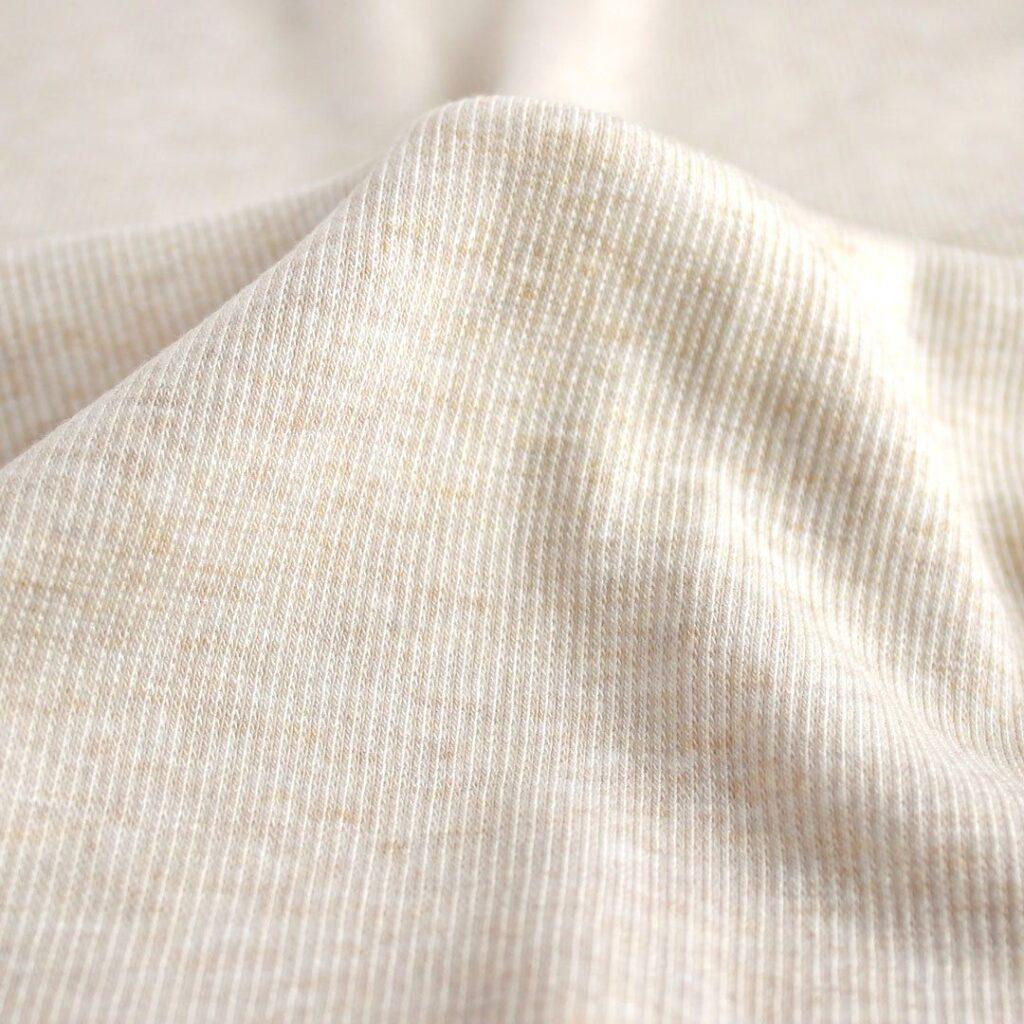
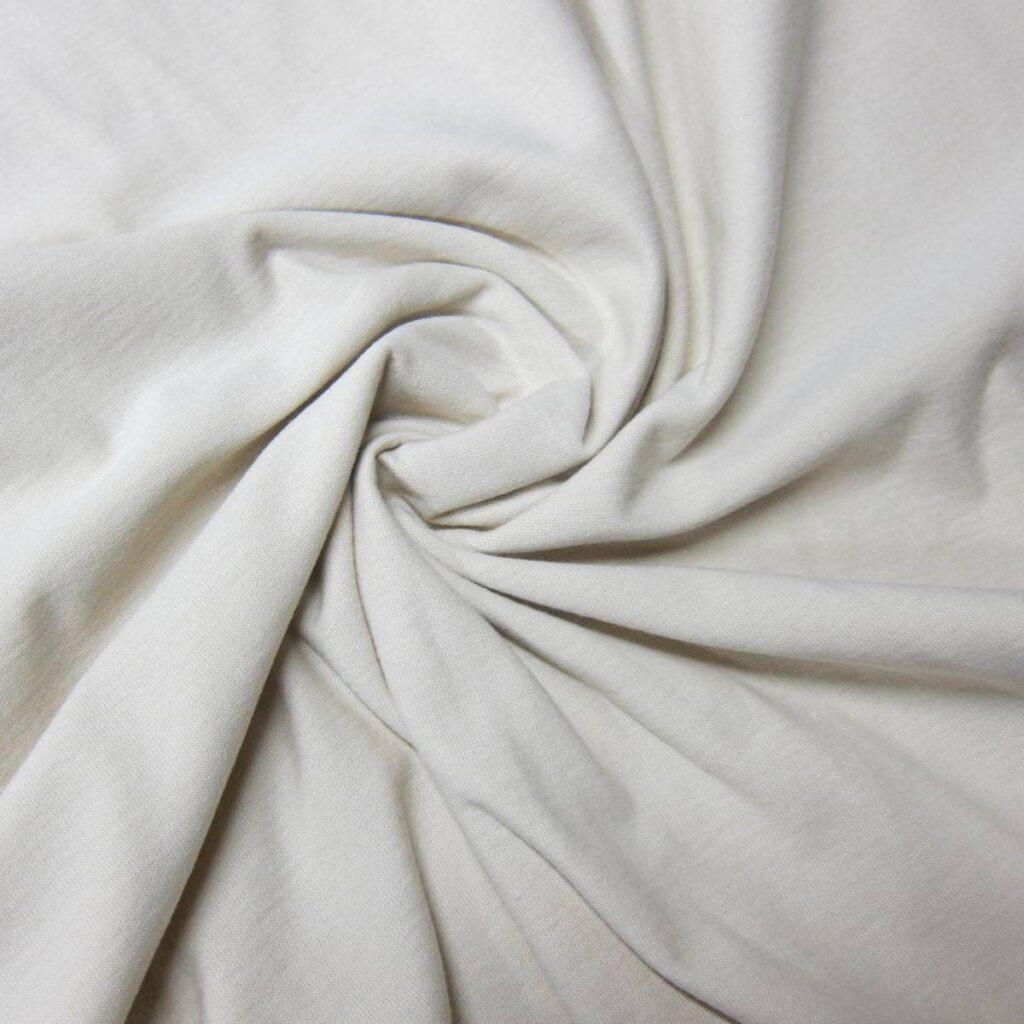
Jersey (High-Grade Cotton):
Look for Interlock weaves. They are double-knit, meaning they have more substance and longevity than a thin t-shirt, making them look more expensive and professional.
- Highly breathable and moisture-wicking, it is ideal for transitional but also warmer climates.
- High-grade jersey typically uses long-staple cotton, making the fabric stronger and more resistant to pilling than standard cotton.
- It is generally wrinkle-resistant.
Cold & Dry or Wet Weather
In winter or cold weather, the goal is insulation, trapping a layer of warm air next to your body. Fiber selection depends on whether the garment is intended as a base layer (first layer in contact with the skin) or an outer top with more structure. If you’ll wear the top as a base layer, the fibers must be soft, elastic, and capable of managing body moisture.
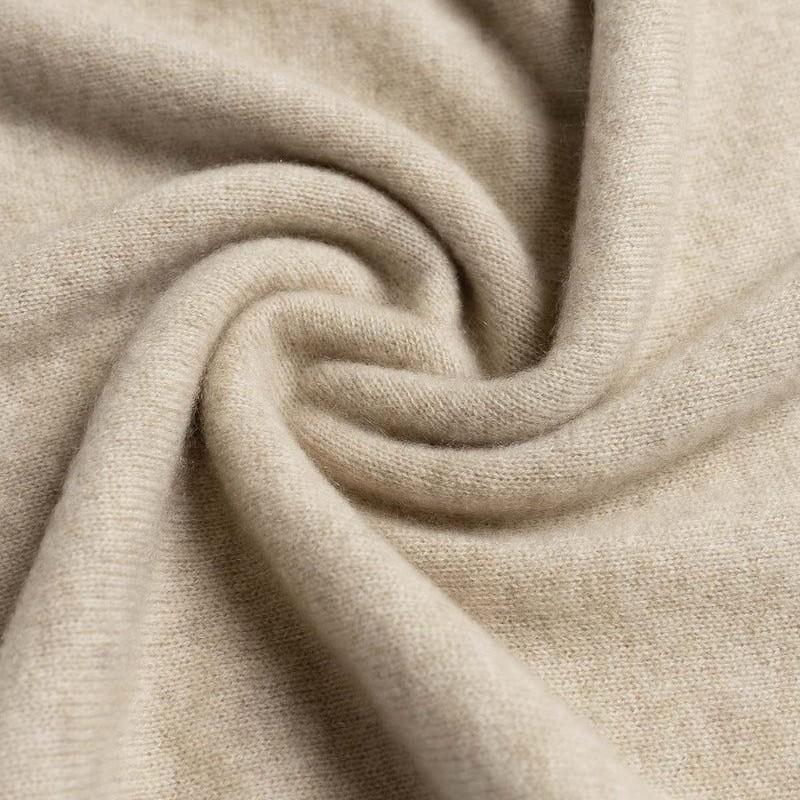
Merino Wool
It’s so fine it doesn’t itch, and it can absorb 30% of its weight in moisture without feeling cold. Perfect for a sleek look that isn’t bulky.
Extra fine merino is perfect for turtlenecks or long-sleeve tees.
- It is non-itchy.
- Antibacterial
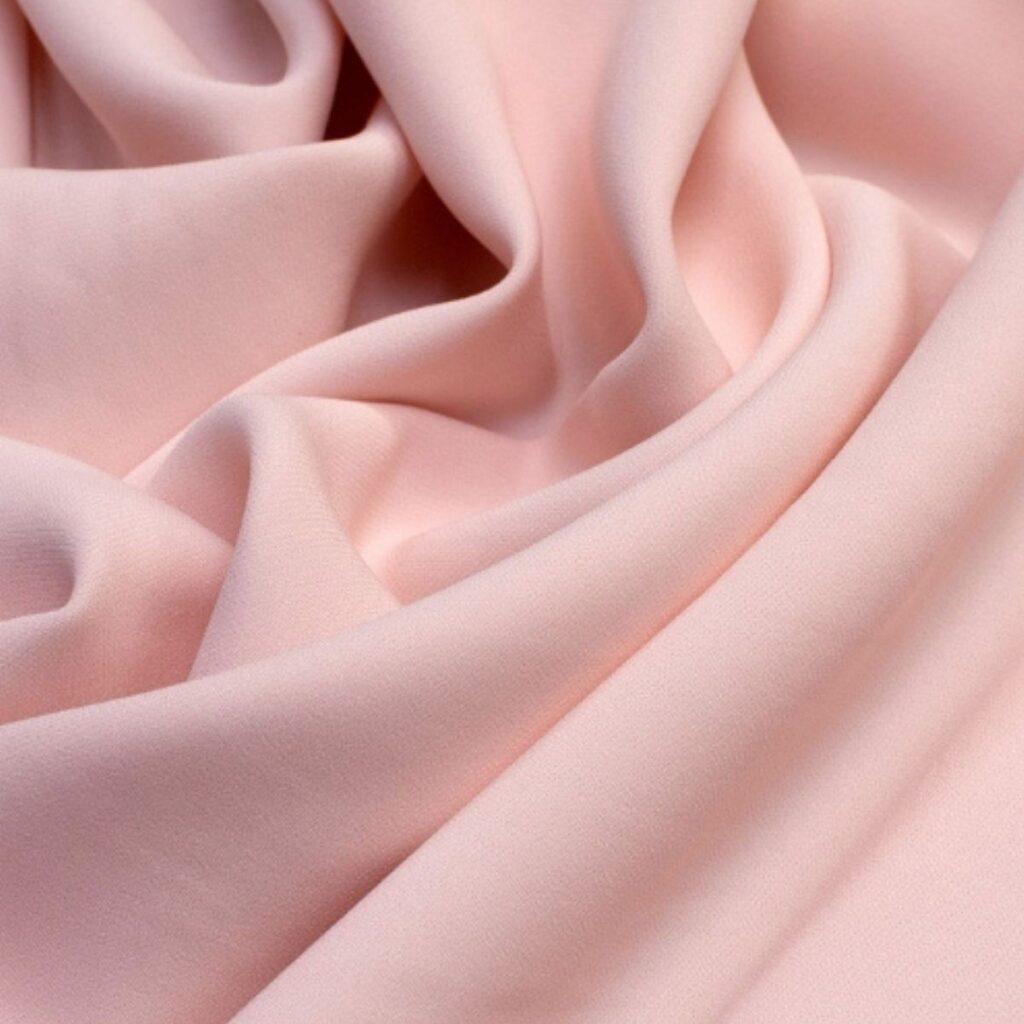
Viscose or Modal Blends
- Very soft and smooth.
- Weak when wet, often leading to stretching or damage if not handled carefully.
- Tends to shrink and wrinkle easily; often requires hand washing or delicate cycles.
- Modal is much stronger than standard viscose, particularly when wet, making it more durable for daily use. It’s also resistant to shrinkage, pilling, and fading, offering better, long-term shape retention.
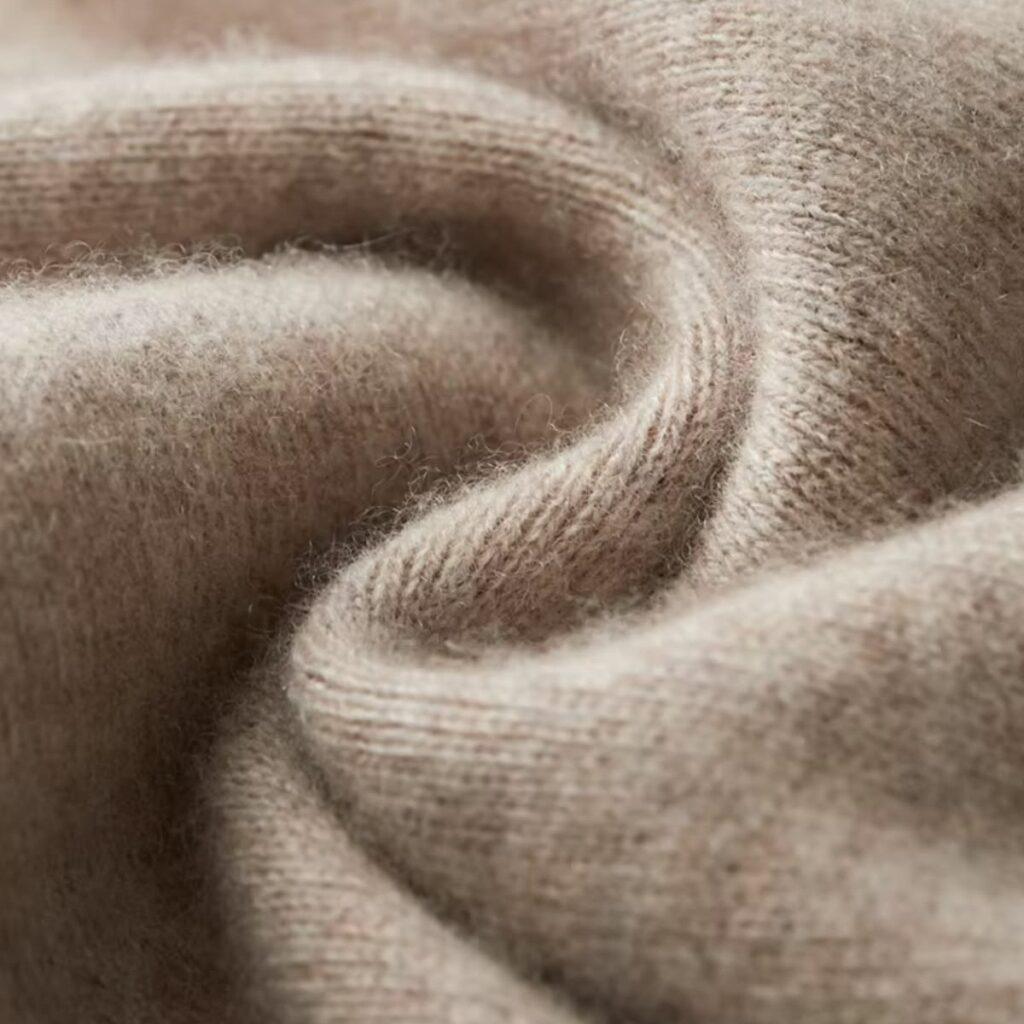
Cashmere
Cashmere is known for its softness and warmth. It’s a luxurious choice for winter, though it can be more expensive than other materials.
- Cashmere is lightweight yet very effective at retaining heat, making it perfect for sweaters and scarves.
- The warmest fiber per ounce.
- A thin cashmere top is warmer than two thick cotton sweaters.
Flannel
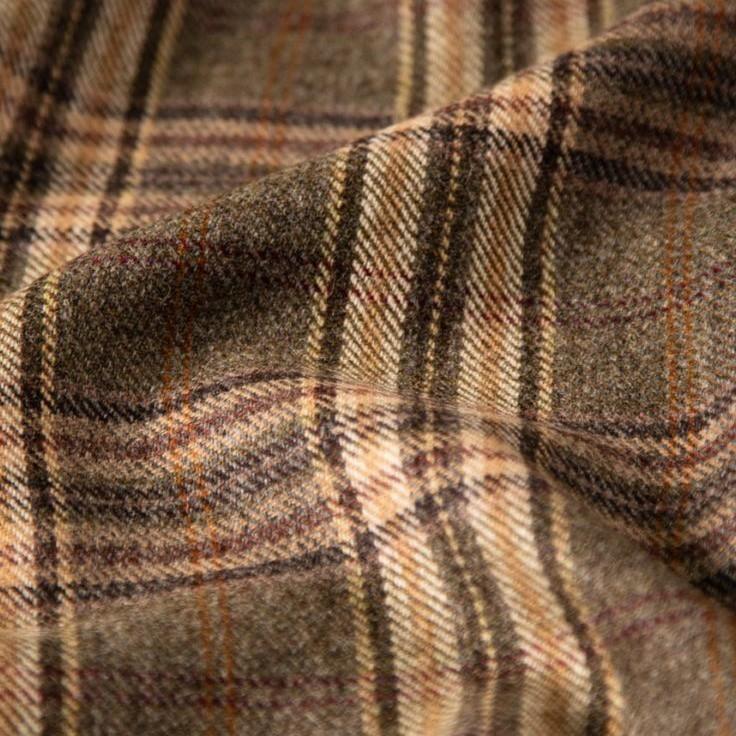
Flannel is an excellent choice for fall. It’s known for its warmth and softness, making it perfect for cooler temperatures. Plus, it’s very comfortable and comes in a variety of colors and patterns. The brushing process raises the tiny fibers of the cotton, creating pockets that trap heat. Best for casual, cozy tops.
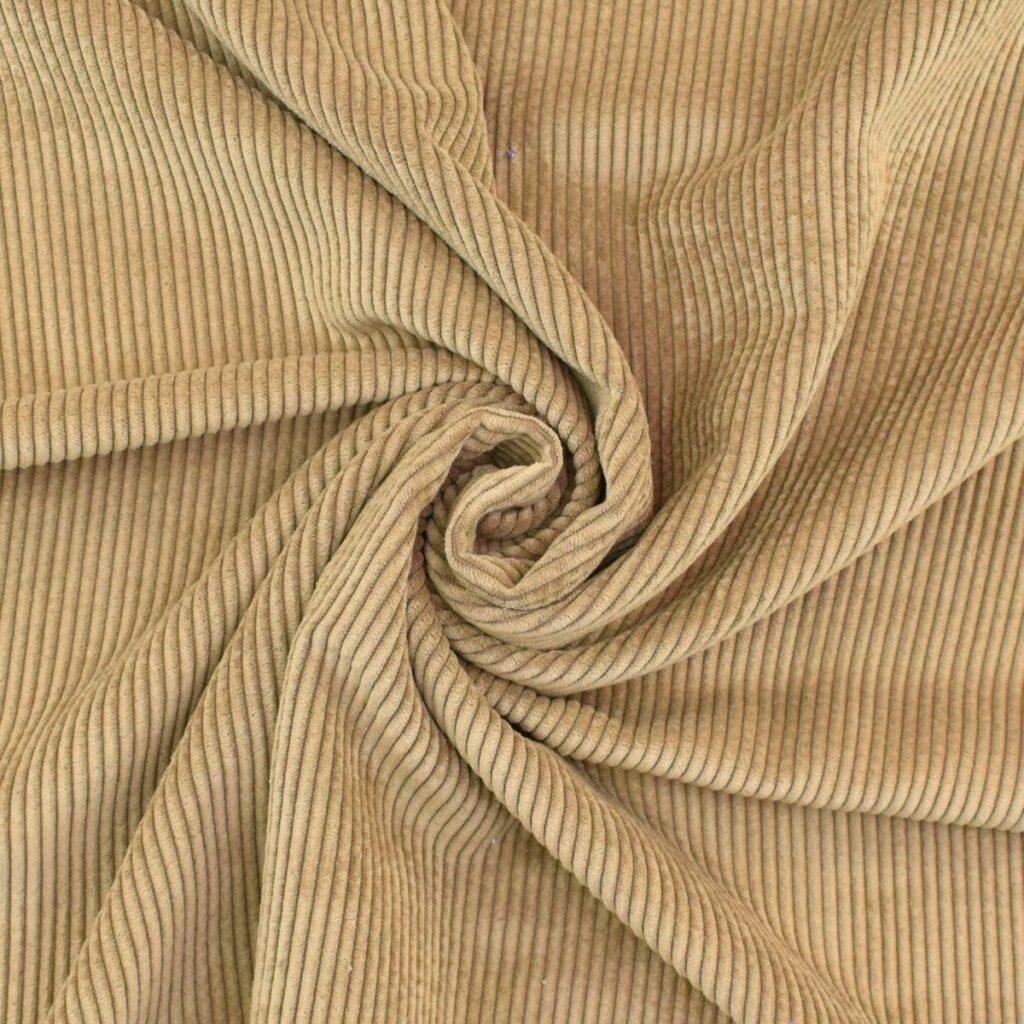
Corduroy
Corduroy is a durable and stylish material, ideal for winter. Its ribbed texture is not only attractive but also provides an extra layer of warmth. Corduroy is perfect for trousers, jackets, and skirts, offering both style and functionality during the colder months.
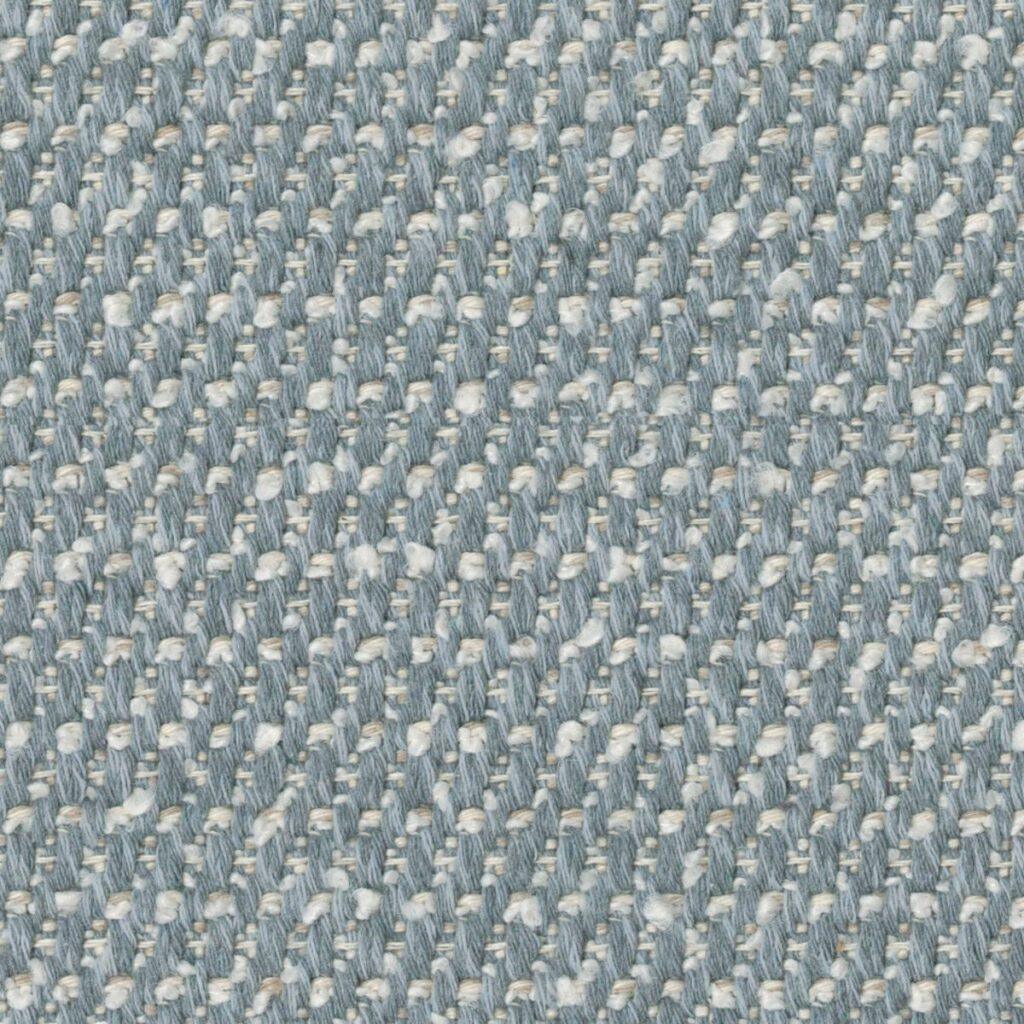
Acrylic (Blends)
Very common for knit tops. It is lightweight, mimics the appearance of wool, and is much more affordable. It retains color vibrancy very well.
Tops For the sensitive skin girlies
If you experience redness, itching, or sudden breakouts after wearing certain garments, the fabric might be the problem. Check out these important points:
- Conventional cotton is often treated with harsh pesticides and bleach. Look for Pima or Supima cotton, their extra-long fibers create a softer surface that won’t irritate your skin.
- Silk is incredibly soft, reduces friction against the skin, and is naturally hypoallergenic.
- Bamboo viscose or Lyocell are soft, round fibers that won’t irritate your skin and are also naturally antibacterial. You can try them instead of wool or cheap cotton, which can sometimes have flakes or rough edges that irritate the skin.
- While raw linen can feel stiff, high-quality washed linen is excellent because it allows for maximum breathability, preventing sweat from accumulating on the skin and causing irritation.
- Avoid low-quality synthetic fabrics with high amounts of polyester, as they are practically plastic. They don’t breathe, meaning they trap heat and sweat against your pores. This occlusive effect is one of the main triggers for rashes and back acne.
- Unless it’s high-quality merino wool or cashmere, standard wool has coarse fibers that can cause irritation or the classic itchy feeling.
- Clothing with very intense dyes, such as dark or neon colors (especially clothing from hyper-fast fashion brands), often contains dyes that can transfer to the skin when you sweat. Believe me, it’s best to avoid these super-popular and cheap brands that lack quality control processes, sustainability, and health verifications for their garments. I’ve seen how dyes can really stick to your skin, and imagine what they contain that they won’t wash off even after a shower!
- Always wash new clothes before wearing them for the first time to remove excess dye and chemicals!
If you like the look of a fabric that irritates your skin (like a sparkly sequined blouse or a stiff synthetic top), wear a 100% silk or organic cotton camisole underneath. It will act as a barrier between the irritating fiber and your skin!
Tops for your Kibbe Body Type
The Kibbe system is the tool for discovering which tops will look best on your body. Perhaps your body naturally looks better in structured, relaxed, fitted, or balanced styles. If you still don’t know your Kibbe, you can take our quiz here or schedule your personalized consultation, where you’ll receive a style guide with everything you need to know!
These are some key aspects that can guide you in finding tops according to your body type, whether in casual or formal settings:
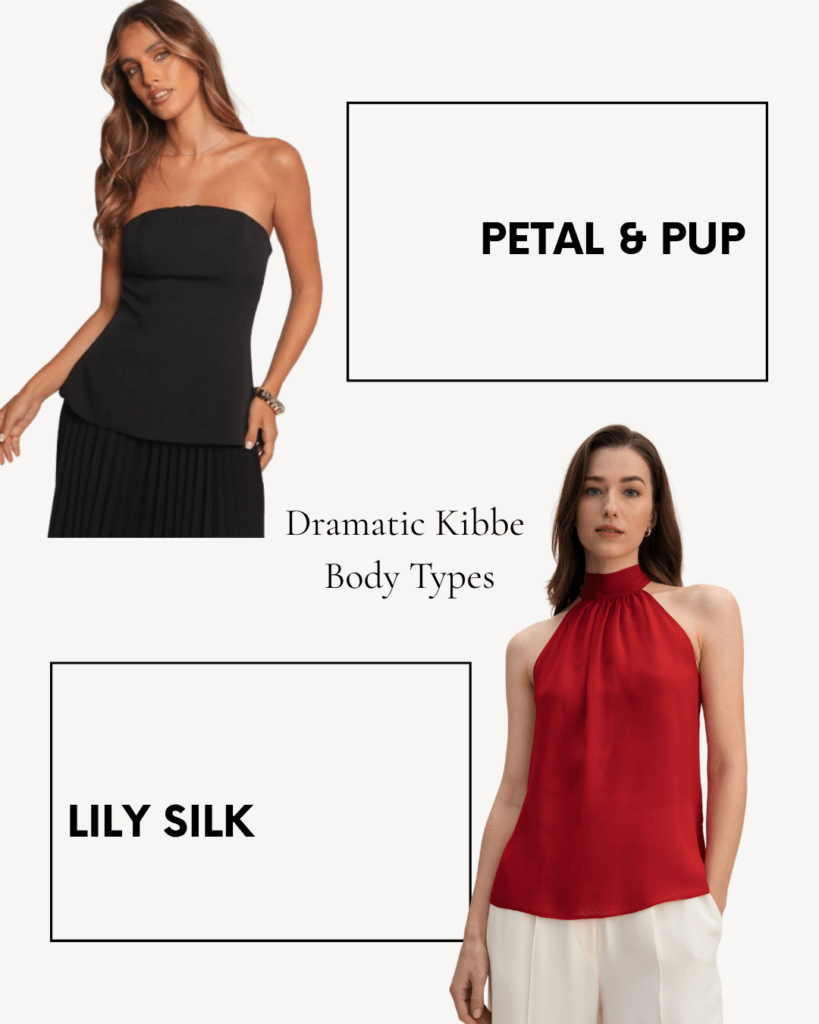
Dramatic
Regardless of the occasion, you have to look for structured pieces with well-defined shoulders and necklines.
What to look for in casual settings:
- T-shirts in structured fabrics with defined necklines.
- The fabric is thick enough to hold a crisp shape.
- High necks with long sleeves, and structured tunics.
- A high-neck, structured top in a thick knit or woven fabric.
- Menswear-inspired button-downs.
What to look for in formal settings:
- Blouses with asymmetrical cuts or high necklines with an architectural silhouette.
- Deep but narrow V-necks also work. If you are a Soft Dramatic you can also opt for draped necklines or tops with gathers or pleating at the shoulder that create a T-shape.
- Tops with sharp folds, crisp pleats, or geometric structural elements.
- High collars that emphasize your elongated features.
Avoid: Small, delicate ruffles, overly feminine details, or overly loose and shapeless T-shirts. If you have a Yin essence in your style, your choice of tops can vary and feature more delicate details.
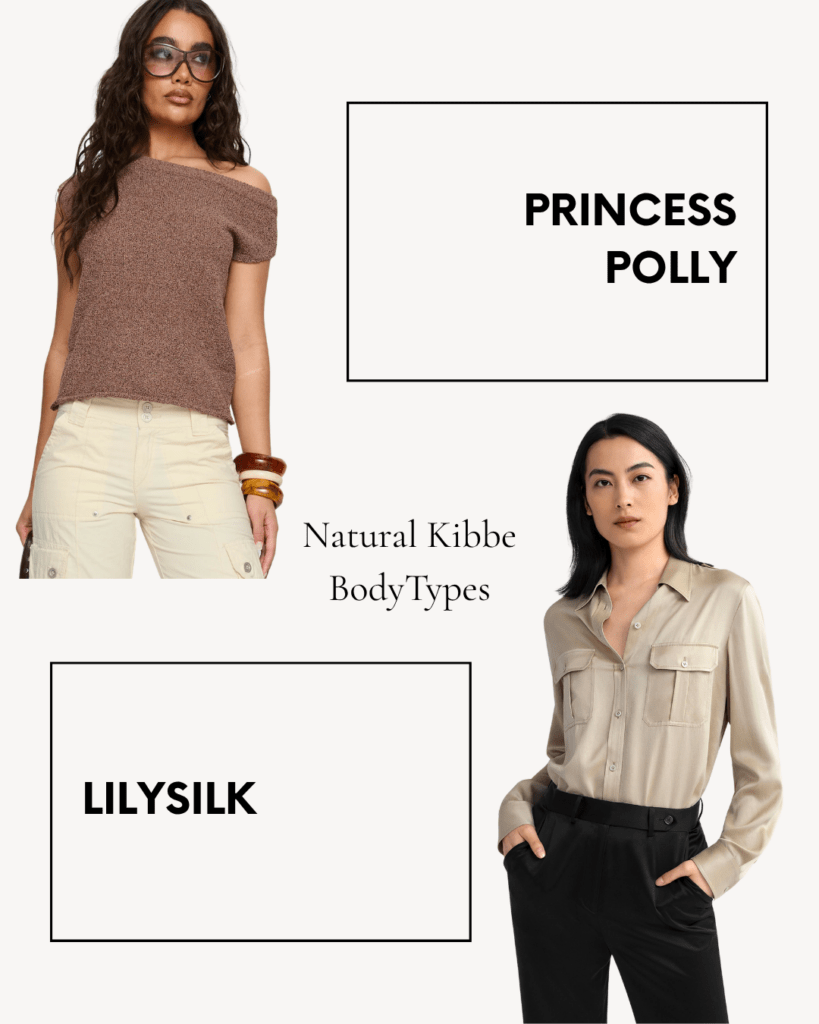
Natural
Your goal is to find silhouettes with a relaxed structure and flowing lines, and preferably organic and natural textures. (Although the texture may change depending on your essence blend.)
What to look for on casual occasions:
- Relaxed V-necks and round necks: Open necklines that aren’t restrictive or oppressive.
- Garments where the shoulder seam falls slightly below the natural shoulder line.
- Straight-cut boyfriend shirts in soft, flowing fabrics.
- Henley shirts.
What to look for on formal occasions:
- Soft wrap blouses.
- Boat or Sabrina necklines that highlight the collarbones and flatter your figure.
- Shirts with the top buttons undone.
- Kimonos and long cardigans: Worn as tops or outer layers.
Avoid: Stiff, restrictive turtlenecks or high, tight collars that constrict the neck. Small, overly ornate ruffles or delicate, fussy details that clash with your figure. Stiff, severe shells and heavy shoulder pads.
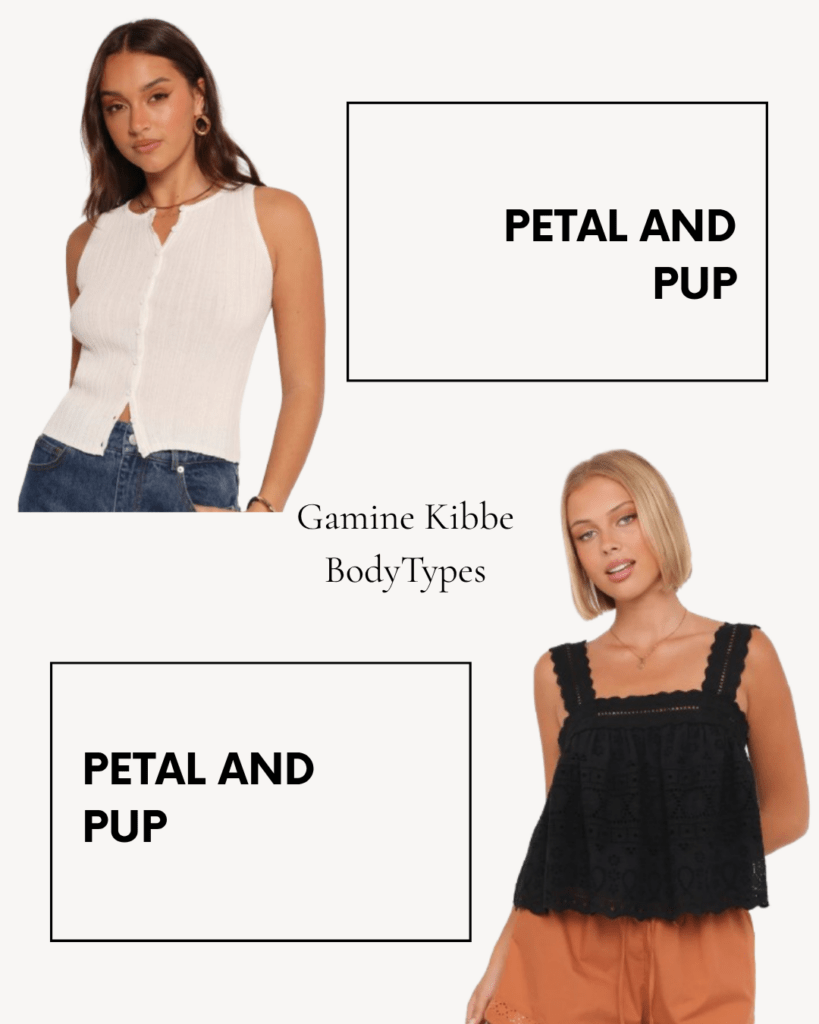
Gamine
What to look for in casual settings:
- Cropped Tees & Tops. Tees that end right at the waist or slightly above.
- Tees with contrasting collars and sleeves.
- Straight, structured cuts, but always on a small scale, so the garment doesn’t look overwhelming.
- Thin stripes, small polka dots, or miniature checks without being too large.
- Mock Necks.
What to look for in formal settings:
- Peter Pan Collars & Small Crisp Collars (Generally small, round, or pointed collars that sit close to the neck.)
- Button-Downs with Contrasting Details.
- Vests worn as tops.
- Tuxedo-Style Shirts.
Avoid: Extremely long or tunic-style tops that hide your legs and disrupt your proportions. Large, exaggerated details (huge bows, giant flowers). Dropped shoulders or overly wide sleeves that visually weigh you down.
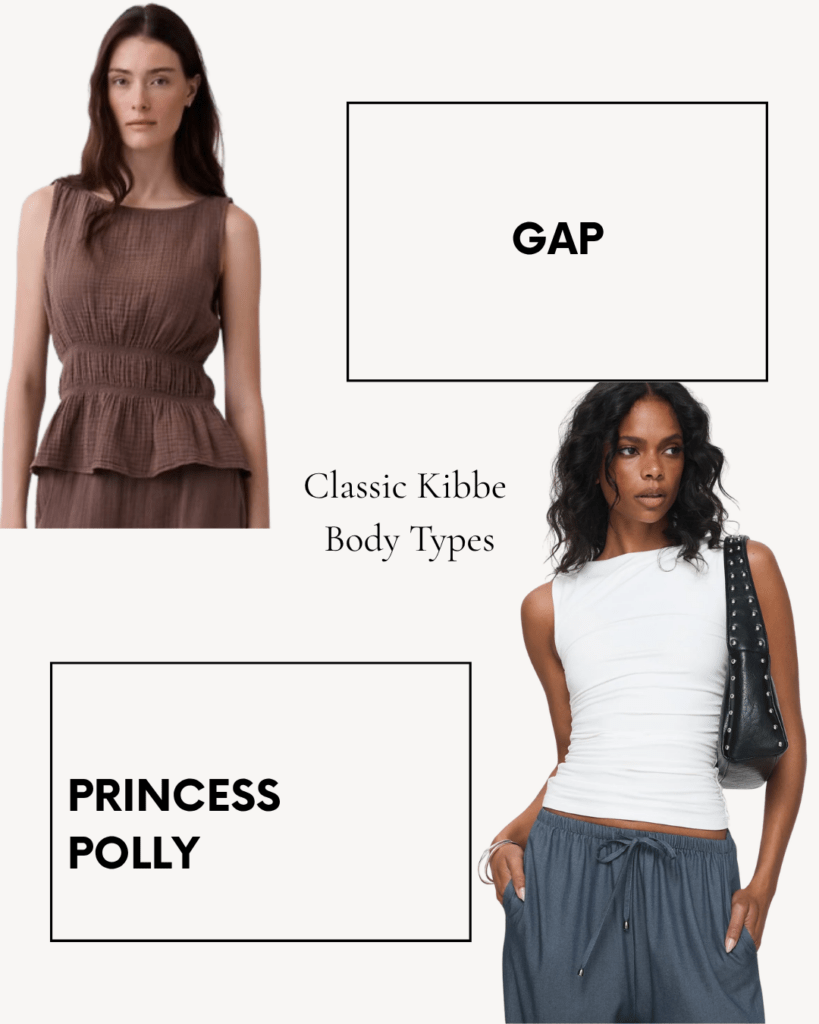
Classic
Regardless of the occasion, aim for symmetrical and balanced outfits with clean lines and moderate cuts (neither too tight nor too loose).
What to look for in casual settings:
- Crew neck T-shirts with a perfect fit: The classic T-shirt, but in soft, high-quality fabrics, not too thin nor too thick.
- Lightweight knitwear.
- Breton-striped T-shirts.
- Sleeveless T-shirts with a balanced cut and not-too-deep necklines.
What to look for in formal settings:
- Silk or satin shirts with understated collars. Avoid overly large cuffs or exaggerated bows.
- Look for designs that wrap in the center to create a balanced V-neck.
- Boat neck or Sabrina neckline. I am a soft classic, and this is my favorite neckline.
- Blouses with covered buttons. Softly cut peplum tops that define your waist without being exaggerated.
Avoid: Extreme asymmetry or avant-garde cuts. Thick, heavy textures or overly worn fabrics (like ripped hems or raw edges). Excessive ruffles or busy prints. Boyfriend-style cuts or very loose blouses. Of course, this can also vary depending on your personal style essences.
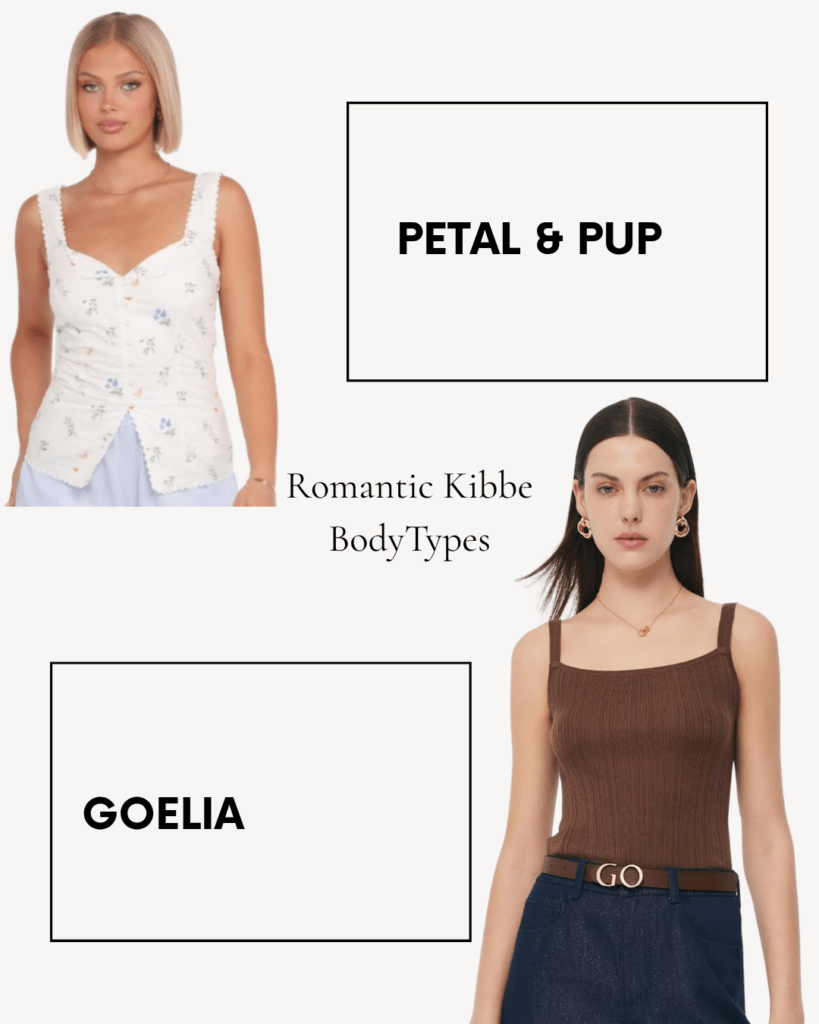
Romantic
What to look for in casual settings:
- Sweetheart and Scoop Necklines.
- Wrap Tees in lightweight fabrics.
- Gathered or Ruched Details.
What to look for in formal settings:
- Peplum tops that flare out from the waist.
- Lace and silk blouses or ornate textures that feel and look luxurious and feminine.
- Pussy-bow blouses.
- Corset-inspired tops without looking too rigid or armor-like.
- Blouses that are voluminous at the arm but taper sharply at the wrist (Bishop sleeves).
Avoid: Stiff, heavy, or unyielding fabrics. Boxy, oversized silhouettes. Sharp, geometric necklines or rigid tailoring. Minimalist, plain styles with zero detail.
If you are a Pure Romantic, keep everything soft and rounded. If you are a Theatrical Romantic, you can handle a touch more spice; slightly sharper points at the collar or cuffs and a bit of sparkle or vampy detail.
Tops for your Essence
Dramatic
- If you have dramatic essence, your tops should make a bold style statement. You can opt for high contrast and daring, edgy silhouettes.
- Look for fabrics like heavy silk, vegan leather, heavyweight cotton poplin, and waxed finishes.
- As for details, high necklines, strong shoulders, large metal hardware (chunky zippers, industrial buckles), color-blocked finishes, and XL lapels will flatter you.
If dramatic is your main essence, you might be surprised at how good you look in these kinds of details. If you prefer fewer decorative elements, minimalist yet sharp silhouettes are for you.
Natural
- If this is your main essence, anything too rigid or perfect will look like a costume.
- Your best allies are linen, raw silk, hemp, and chunky knits. Naturally, cotton, suede, and denim are also good options.
- Opt for details that look handmade: wooden or coconut buttons; visible outer edges; intentionally frayed edges; stonewashed edges; and large cargo bags.
The garment should fit as if you just casually put it on and, by chance, it looked amazing on you.
Gamine
- The Gamine essence is energetic and rebellious, so your tops should reflect these characteristics.
- Top fabrics that will never let you down include stiff yet lightweight gabardine, cotton piqué, Roma knit, and other knit fabrics that are neither too heavy nor too light.
- To stand out and reflect your style, you can opt for contrasting collars like black and white, Mao or Peter Pan collars, or add pops of color, playful buttons, or mini prints such as polka dots and narrow stripes.
Short lengths and high, fitted necklines are your signature. (Of course, only if you think this flatters and highlights your body type.)
Classic
When choosing your tops, look for one of these fabrics that perfectly complement your personal style: cashmere, fine-weight merino wool, and soft silk crepe, cotton, or matte satin.
As for the details, you don’t need anything too extravagant, but rather something well thought out, such as tailored buttonholes, fabric-covered buttons, invisible seams (blind hems), moderately sized collars, and a structure that doesn’t wrinkle easily.
Hidden details like a placket with concealed buttons, tonal stitching (the thread perfectly matches the fabric), or a comfortable lining might not seem extraordinary, but for your style essence, they truly are.
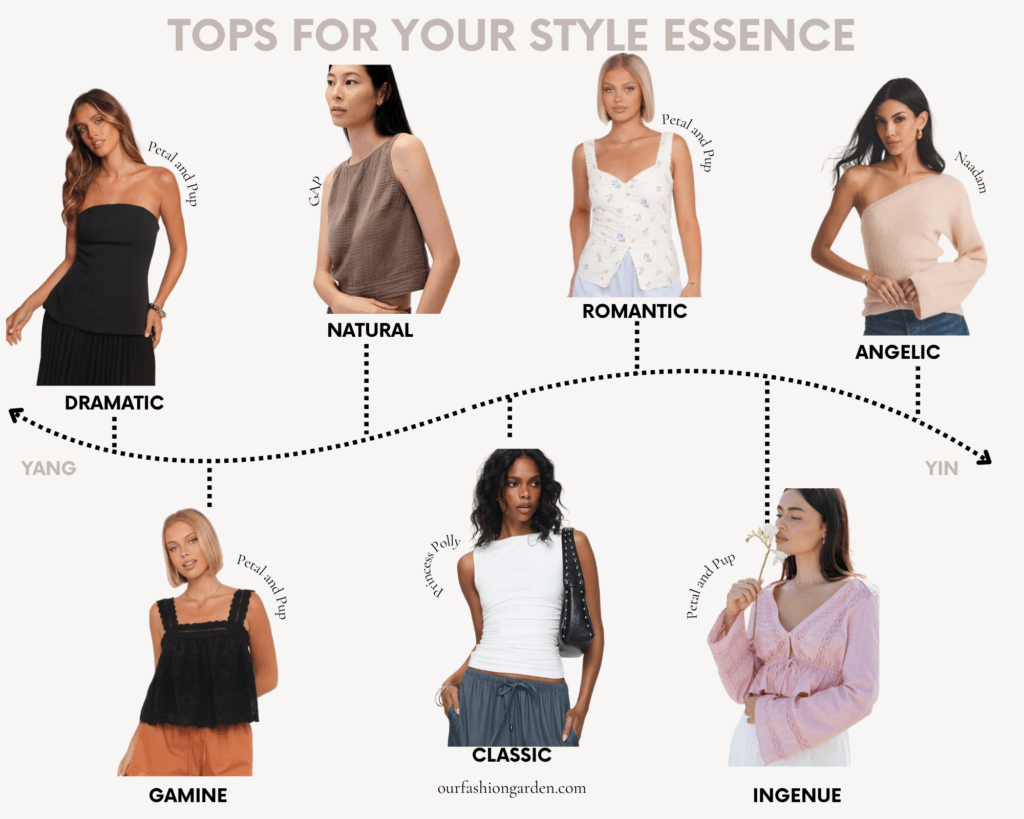
Romantic
- The Romantic essence, as its name suggests, is lush, sensual, and mature. So your tops should reflect these qualities without being overly girly.
- You need fabrics that interact with light, such as velvet, heavy satin, intricate lace, or floral brocades. Anything with an elegant look and that feels expensive to the touch is a win.
- For you, draping, gathering or ruching that creates volume, crystal or rhinestone buttons, and finishes with intricate embroidery or satin appliqués are essential elements.
Ingenue
- Often confused with Romantic, the Ingenue style is much more youthful and delicate. It’s pretty rather than glamorous.
- This should be reflected in the materials of your tops, so look for lightweight fabrics like Swiss dot cotton, eyelet, and chiffon, as well as tulle, polka dot tulle, silk organza, gauze, and cotton with small openwork details.
- As for details, look for pieces with tucks, lace trim, mother-of-pearl buttons or small pearls, and velvet or satin ribbons.
Small-scale charm is key. Look for tiny ruffles, puff sleeves, Peter Pan collars, and floral embroidery.
Angelic
- The angelic essence looks its best in flowing fabrics and delicate details with a touch of abstraction.
- If this is your primary essence, the tops that would make you look perfect could be made of fine silk, iridescent lamé (perfect for special occasions), and layers of tulle or fine mesh. The fabric should appear to float or reflect light.
- Wide, bell-shaped sleeves, sheer panels, and perhaps even shimmering details will make your features stand out. Avoid anything heavy, bulky, or earthy.
Now that we’ve reviewed all these points, you can surely see that personality, essence, and even luxury in clothing go far beyond a brand; the key really lies in the tailoring of the pieces and how well they suit the particularities that your body and your life require. And to ensure your purchases are even smarter, here are some extra aspects regarding the making and maintenance of your garments that we would like to share with you.
Tips Before You Buy
Before heading to the checkout, do these three checks:
- Hold the fabric up to the light. If the weave is uneven or has random gaps, it’s a low-density fabric that will lose its shape after a few washes. A quality fabric is uniform.
- On knitwear or tops with elastane, stretch a small section and release it. It should instantly spring back. If it becomes distorted or wavy, it will lose its shape after three wears.
- Turn the garment inside out. If you see loose threads or frayed edges, it’s a red flag. High-quality garments take care of both the inside and outside. So, say goodbye to these poorly finished items.
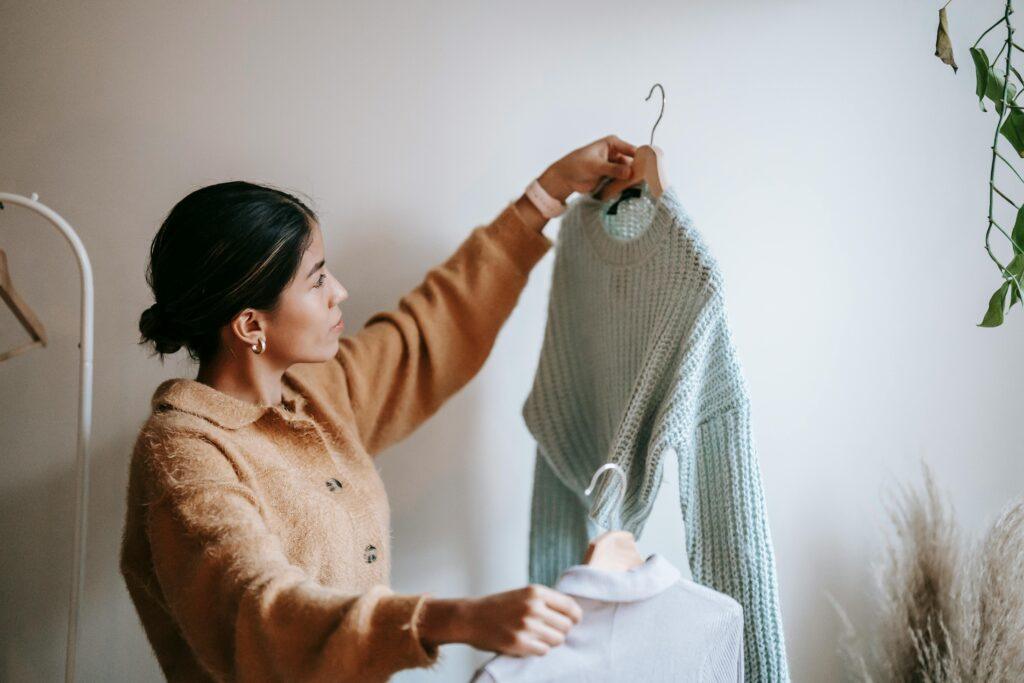
Washing and Drying by Fiber Type
The most common mistake is washing everything at the same temperature. Most damage to garments occurs in the washing machine and dryer. I know it can be tedious to be so careful, but perhaps with a little consistency and knowing how to separate your clothes for better washing, your garments will last longer, and consequently, you’ll spend less.
- Linen and cotton: Wash in cold water to prevent shrinkage. You don’t need to add fabric softener, as it creates a waxy layer that impairs the natural breathability of these fibers.
- Silk and viscose: Always hand-wash or use a mesh bag on a delicate cycle. I suggest not twisting or wringing viscose, as the fibers are weaker when wet and break easily.
- Structured tops or corsets: Never machine wash them, as the agitation will deform the boning or internal structure. Spot cleaning or professional dry cleaning is best.
- It’s best to lay knit tops flat on a towel to prevent the weight of the water from stretching the shoulders.
And what about strategic storage?
- Try to simply fold your knit tops, as hanging them distorts the shoulder line and creates creases or folds that are almost impossible to remove. Sadly, many of us have experienced this, but hey, we learn from experience.
- For structured or silk blouses, avoid thin wire hangers, as they can snag delicate fabrics and create holes or permanent wrinkles.
- To prevent pilling, use short wash cycles and avoid washing very delicate fabrics with heavy ones that create a lot of friction during washing. If your favorite sweater already has pilling, you can carefully use a classic razor or a lint remover to restore the surface. Just because a few pills have appeared doesn’t mean you should throw your top away.
We hope this guide helps and makes your shopping much easier. As part of this challenge, each month we’ll recommend an essential piece to help you create a personalized capsule wardrobe. So don’t forget to come back soon for the next item!
And to make the process even easier, you can use Handpicked Attire to search for clothing (yes, boots included) filtered by your body type, your style, and even your budget. That way, instead of starting from scratch each time, you begin with options that already look great on you.


Leave a Reply